Engaging with Non-Human perspectives through a co-design design practice
2024 || Research Project
Mentored by: Ms. Daisy Yoo
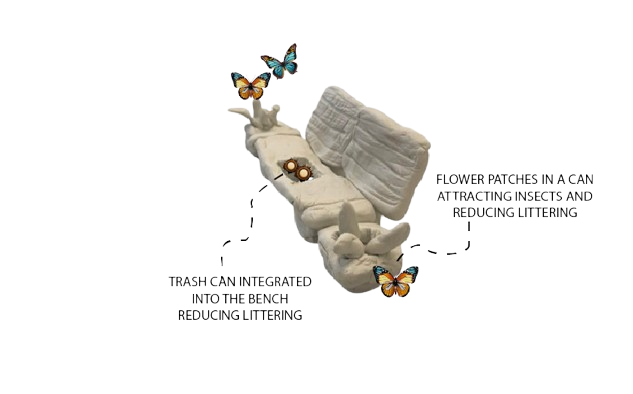
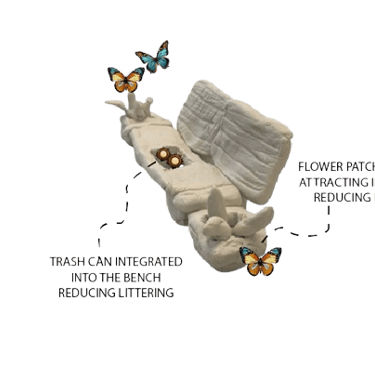
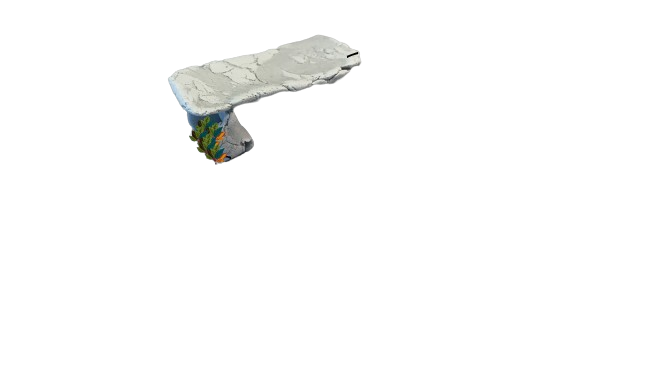
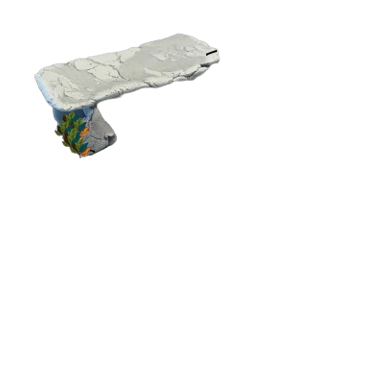
This project laid the foundation to undertake the research for Antsy Bench. Co-design can be defined as the process of active collaboration between stakeholders in designing solutions. It was proposed as a research-through-design method, incorporating prototype development with iterative cycles which enhanced stakeholder engagement and actively acknowledged their contributions. Co-design is a process of joint inquiry & imagination, hence forth, the study develops a scaffolded co-design space involving both human and nonhuman stakeholders. The process engaged participants in designing a lo-fi public outdoor bench for coexistence fostering reflection of diverse human and nonhuman values and needs.
Why?
Public spaces prioritize human needs, sidelining nonhuman species like plants, animals, and microbes—especially urgent amid planetary crisis.
TU/e's "biodiverse" campus revealed this disconnect through stakeholder interviews showing human-centric power dynamics. This project tests how co-design processes can integrate nonhuman perspectives to transform decision-making
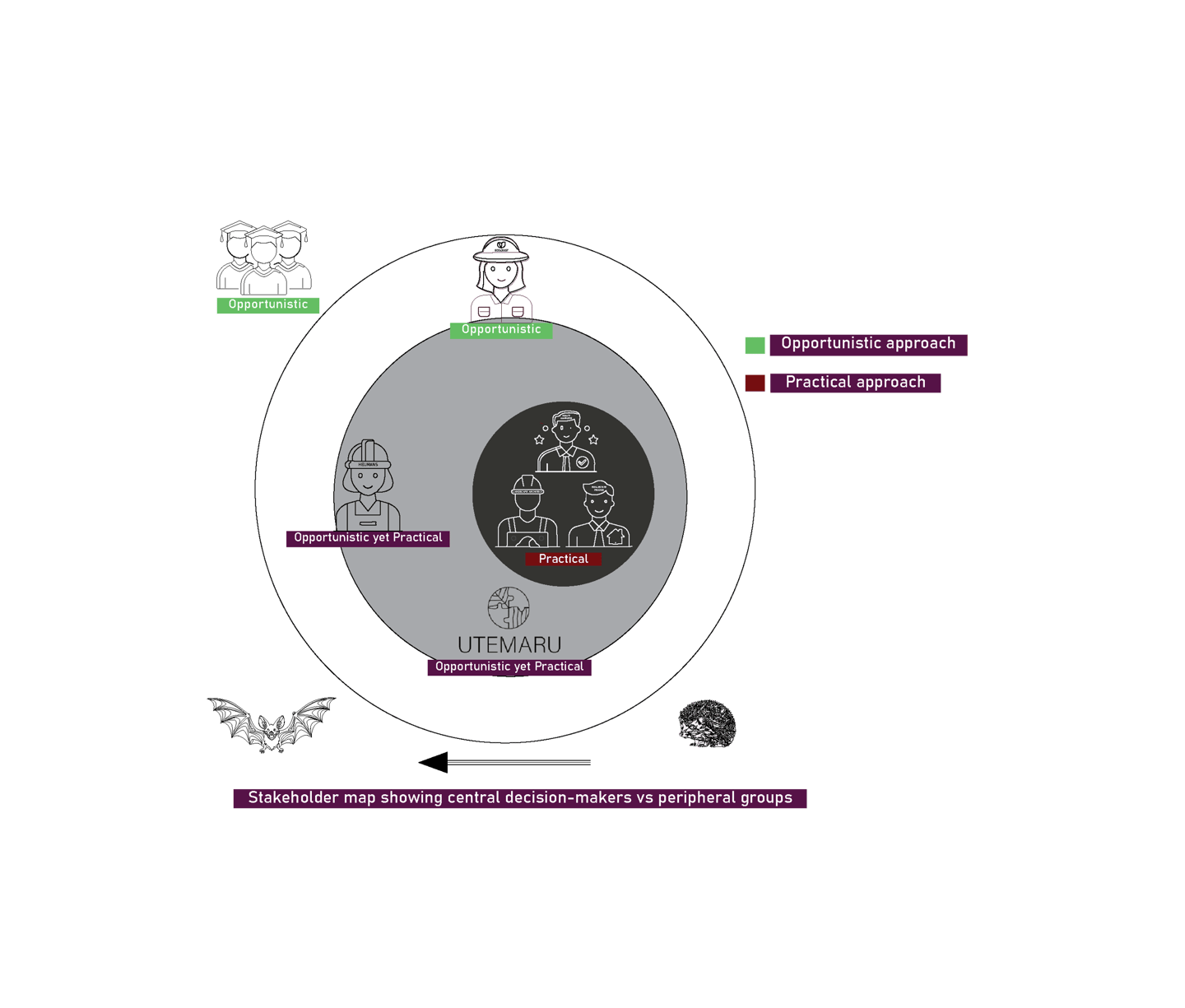
The integrated nonhuman species, and other human species who are willing to innovate with nonhumans were often side-lined and naturally became an afterthought.
Scope
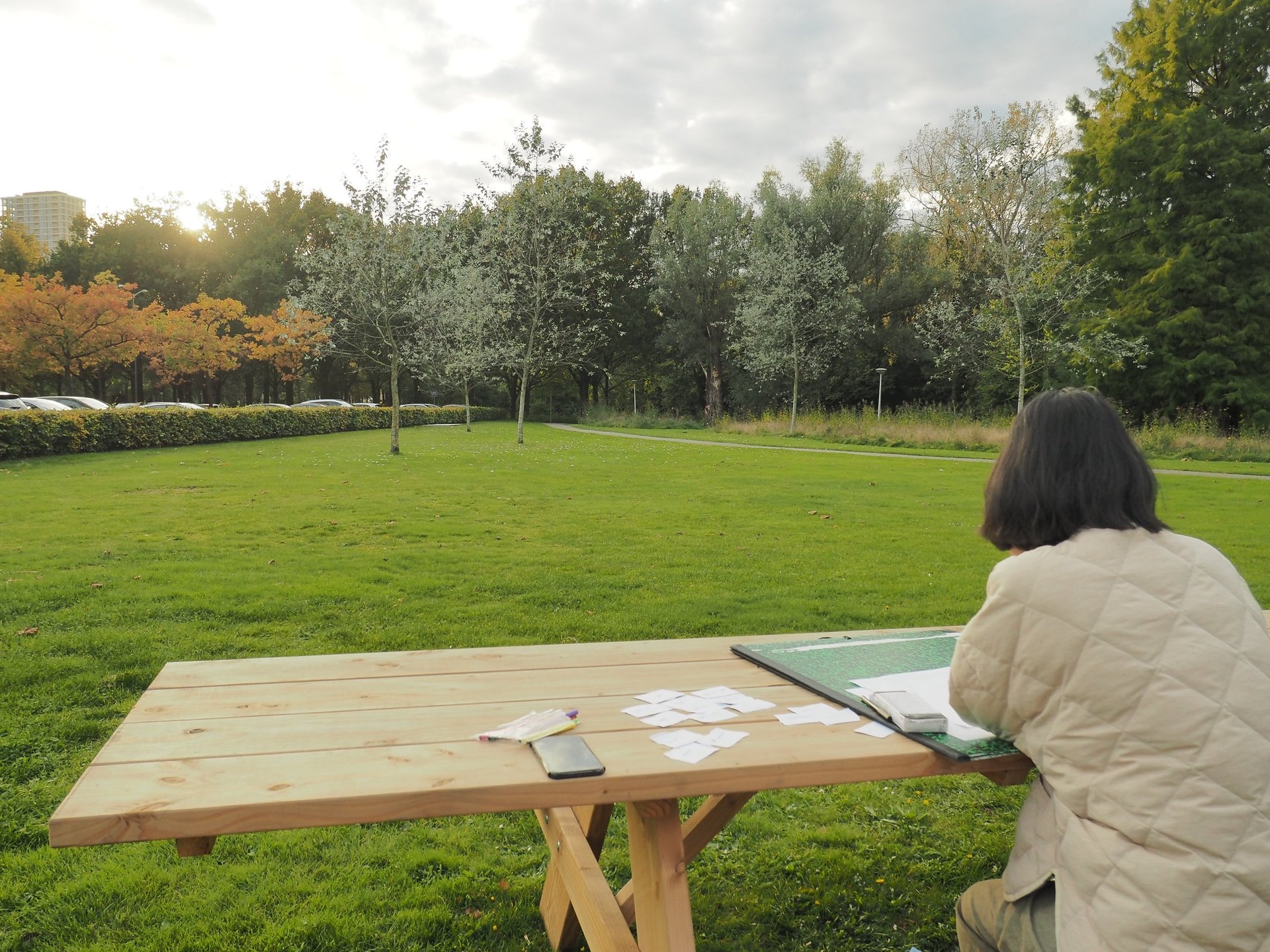
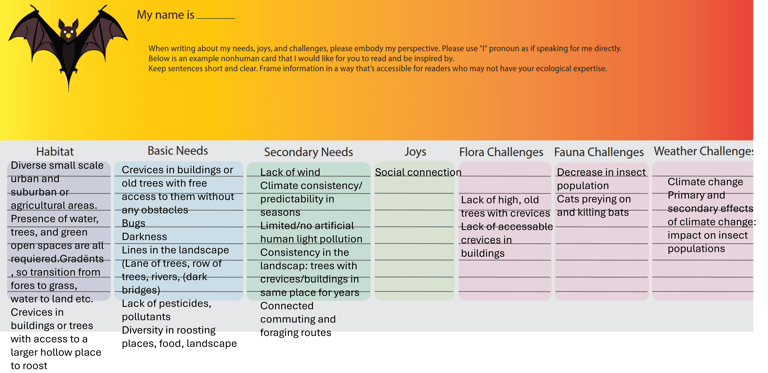
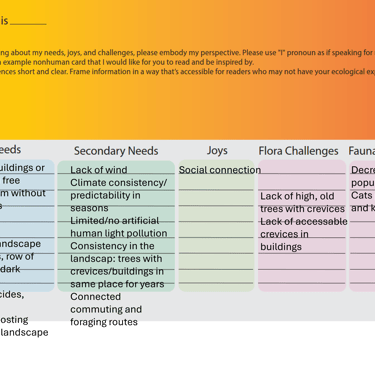
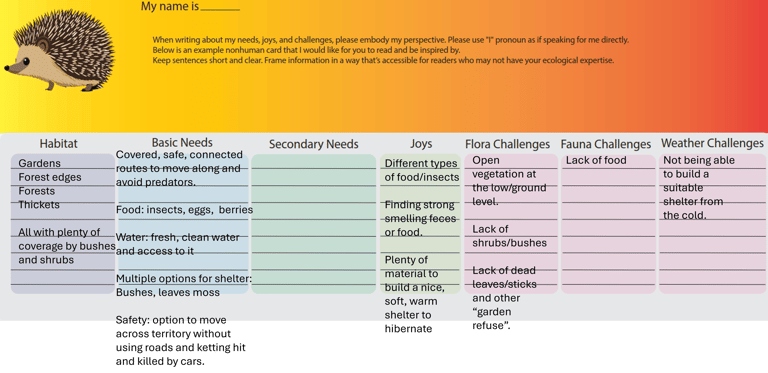
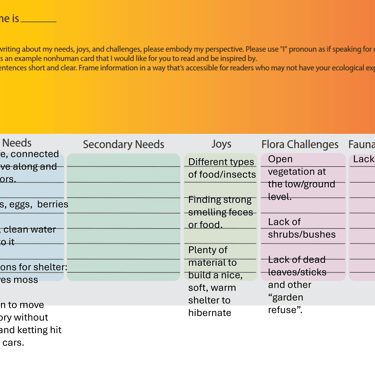
Focused on TU/e green space by Hubble Café: 6 human stakeholders (landscape architect, quality assurance, ecologists, Heijmans maintenance and students) were interviewed onsite in addition to bats & hedgehogs being represented via ecologists through nonhuman persona cards. These delivered individual value scenarios and helped map stakeholders.
Approach & Results
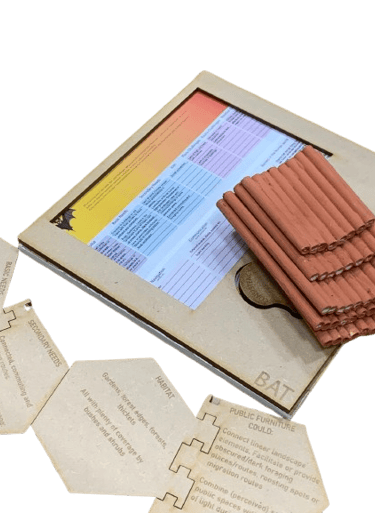
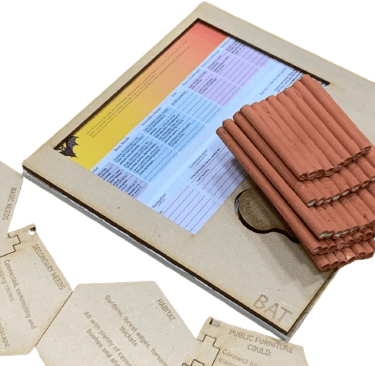
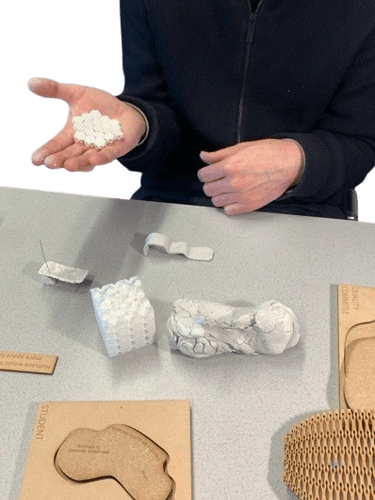
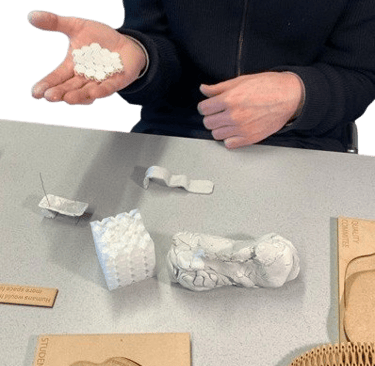
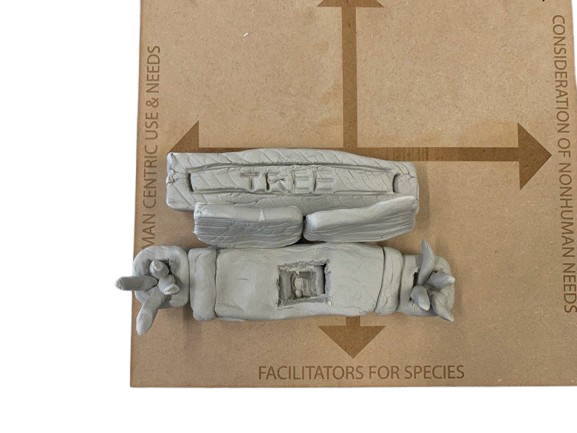
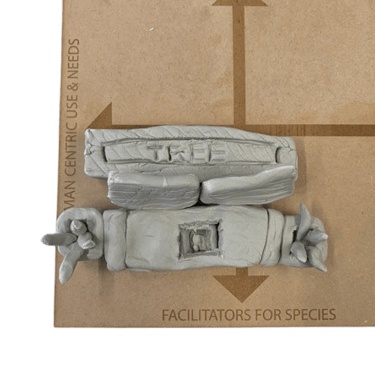
Having revealed human-centric power dynamics on TU/e's "biodiverse" campus, I designed a three-phase co-design workshop to counter this. Phase 1 (Accustom): Guided site walk for deeper environmental noticing. Phase 2 (Fantasy): Iterative clay modeling using laser-etched stakeholder value prompts. Phase 3 (Implementation): Extracting specific, achievable bench design requirements for the green space.